Autodesk · Payment methods · content design
Making payment methods findable
Changing a payment method on an Autodesk subscription often took a phone call. This is how it moved into one place people could find on their own, on a desktop or a phone.
Principal Content Designer, UX Design team. Consulting with the payments product manager on the Payment Center, alongside UX design and engineering. Jul 2019 to Feb 2024.
Problem
Where to change a payment method depended on the account and the method already on file. Edits often took a phone call, and some customers let a subscription lapse instead.
Move
One Payment Center in Autodesk Account, reachable from the Me menu, from search, and from a rewritten help article, with every panel built to stack on a phone.
Outcome
Customer effort score for updating payment information rose from 59% to 71% in the first 30 days, and $2.4M in revenue was saved.
The context
Autodesk spent these years moving from selling through resellers to selling direct. That pivot meant CMS upgrades, new payment options and vendors, and rebuilt financial infrastructure behind them. The internal phrase for it was “an opportunity-rich environment.” Payment methods were one known issue among many.
Where to change a payment method depended on the account, the method already on file, and more. Early North Star research found it hard to find, and often impossible to change without calling support. Some customers let a subscription lapse instead.
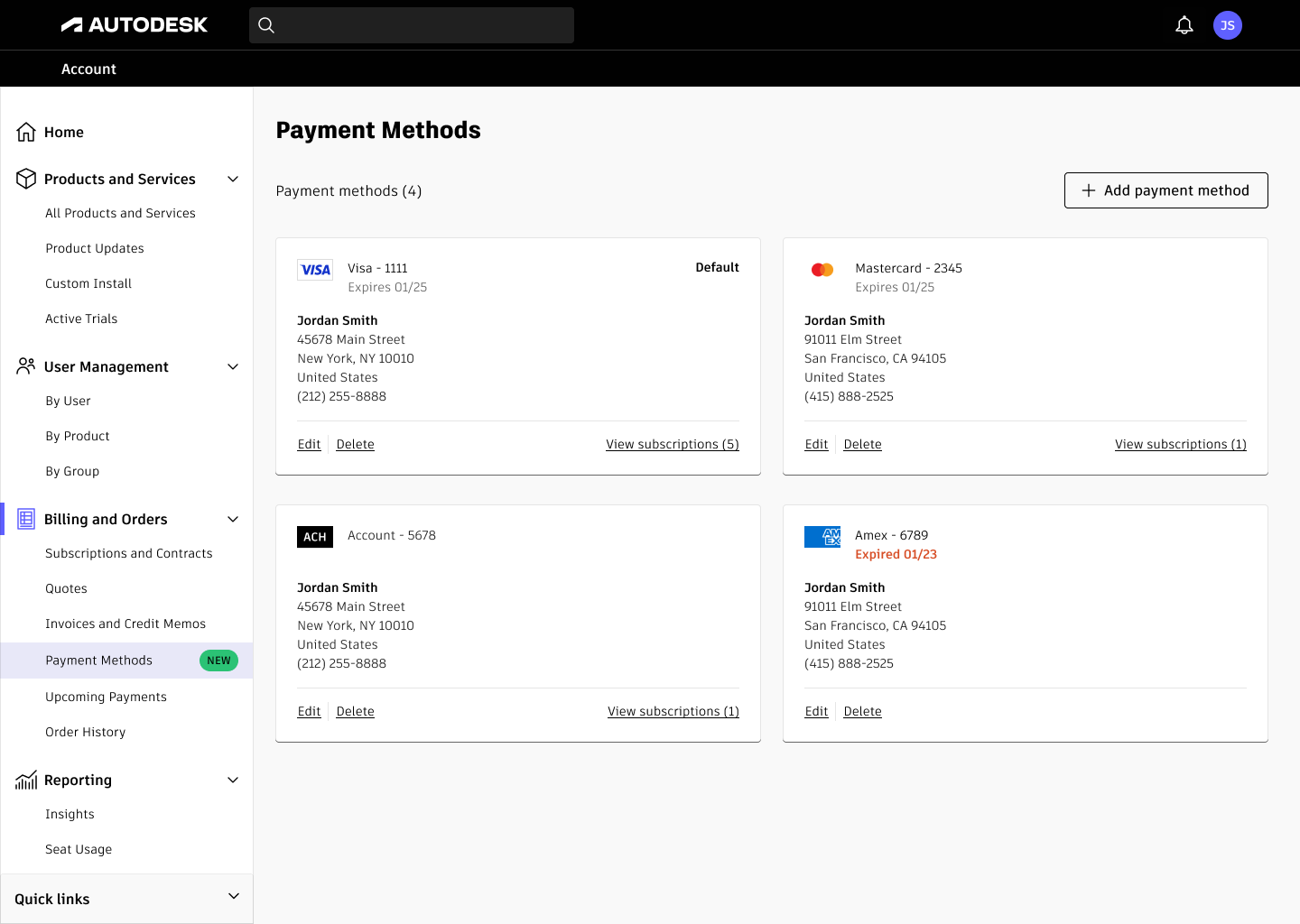
Before launch, a payment method could only be changed inside each subscription’s details. A single place to manage them had been proposed during that North Star work, then waited roughly three and a half years, through account-side leadership changes and shifting priorities, before it was built.
Act 1:Making it findable
The Payment Center launched on September 21, 2023, as one place in Autodesk Account for every payment method on file. The work was making it findable from wherever someone already was.
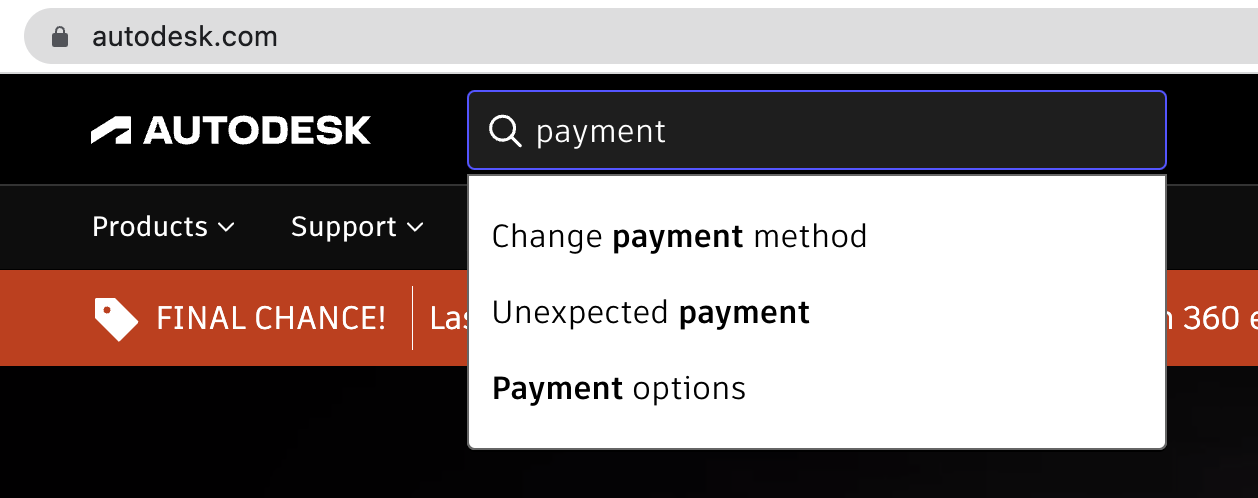
The Me menu was one way in, and a third of Payment Center visits started there. It’s the same menu that opened the North Star navigation work years earlier. Site search was another, weighted so that typing “payment” brought up Change payment method first.
The third way in was the public help article, which I co-wrote. My part of this work was the content, across checkout, payments, and that article. Before launch, the article had to tell customers there was no self-serve fix.
The help article, before launch
“You can’t edit or delete an existing payment method. Instead, depending on the payment method, you can add a new method and select it as the default payment method, or cancel the subscription, and repurchase with the new method.”
After launch
“You can edit existing payment methods and add a new method to select as the default payment method, or cancel a subscription.”
Act 2:Built to stack
The mobile-first decision was structural. Checkout, the Me menu, the country and language selector, and the account tools were all built as vertical panels, so each one could stack on a phone.
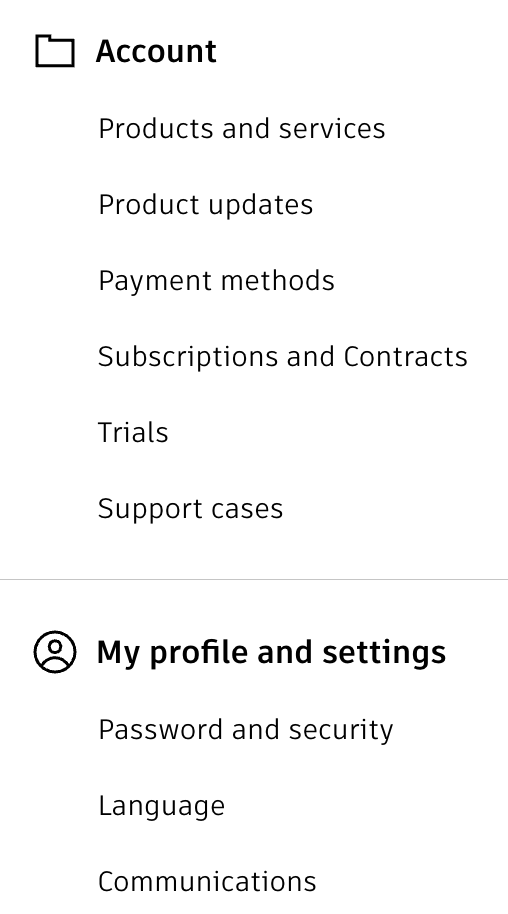
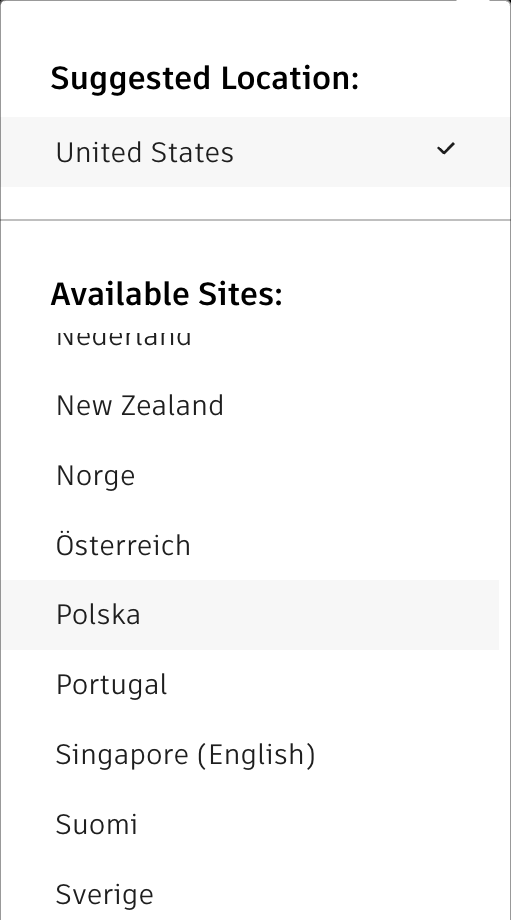
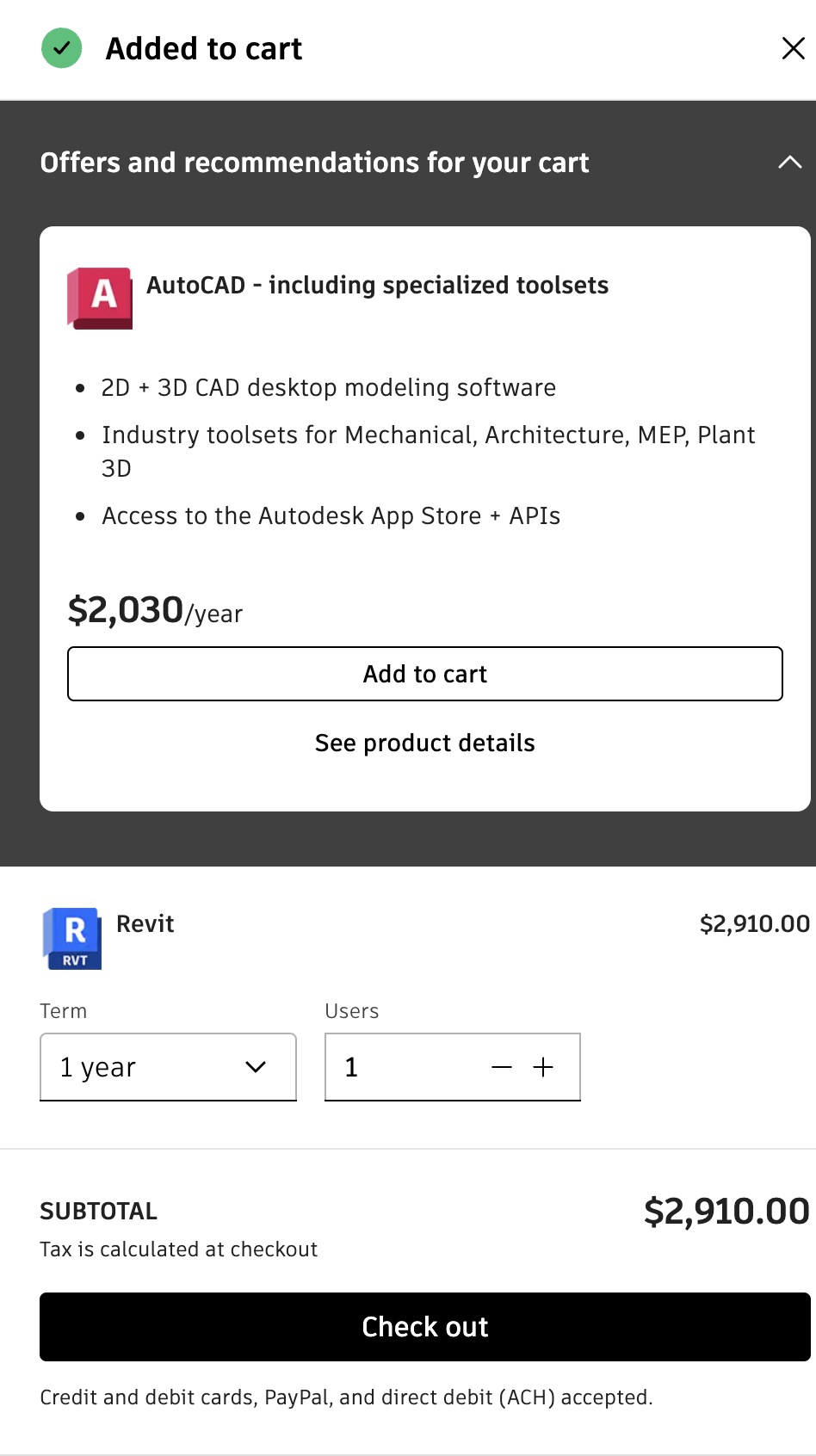
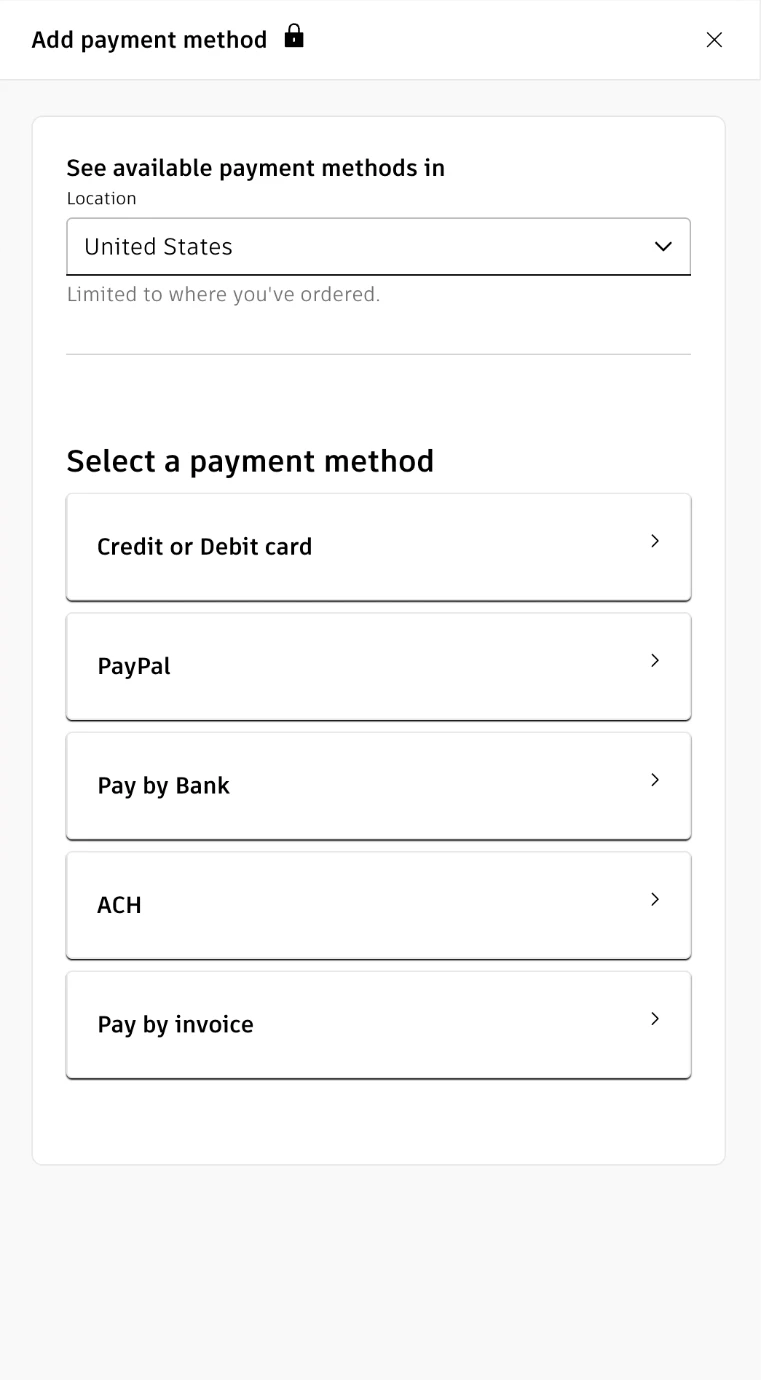
The right-rail mini cart set the pattern for checkout, one cart architecture for multiple payment options, incentive messaging, and per-country variations. The four panels above come from different parts of the site and share that shape.
Act 3:More ways to pay
Payment options widened at the same time. Qualifying customers could pay by invoice, self-service financing arrived, and payment collection outside the US and Canada moved in-house, market by market. The Add payment method panel shows only what’s available where the customer has ordered.
Each method came with its own rules for what a customer could edit, add, or change, and the panel copy changed with it. The UX designer built those rules into a Figma pattern library, and I reviewed its wording and recommended rewording where it was needed.
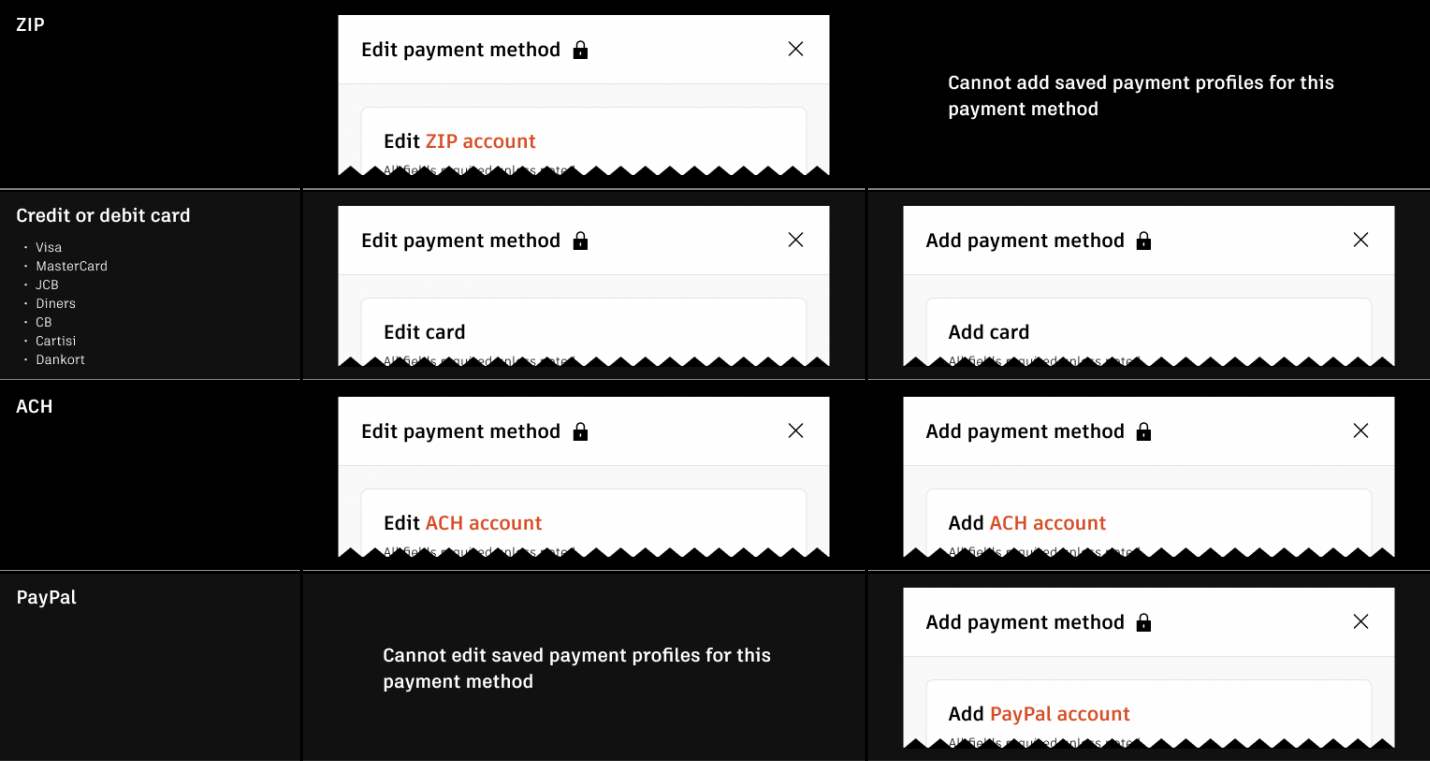
Offers, financing, and cart messaging went through a lot of exploration along the way. The extensible cart kept each experiment cheap to run and cheap to retire.
PostScript
In the first 30 days, customer effort score for updating payment information rose from 59% to 71%, and 8% fewer customers complained about it. Payment management engagement was 122% higher, delinquent customers engaged 32% more, and $2.4M in revenue was saved.
By day 90, delinquency on expiring subscriptions was down from 13.2% to 11.9% against the same period a year earlier. For a fix that waited three and a half years, that’s the case for staying with systems work through the delays.
This is one story from a longer run of work at Autodesk. The Autodesk page carries the rest.
Customers calling to change something?
Let’s put it where they already look.